

Dexway English Magazine: A2 – Edition 8

The Theatre
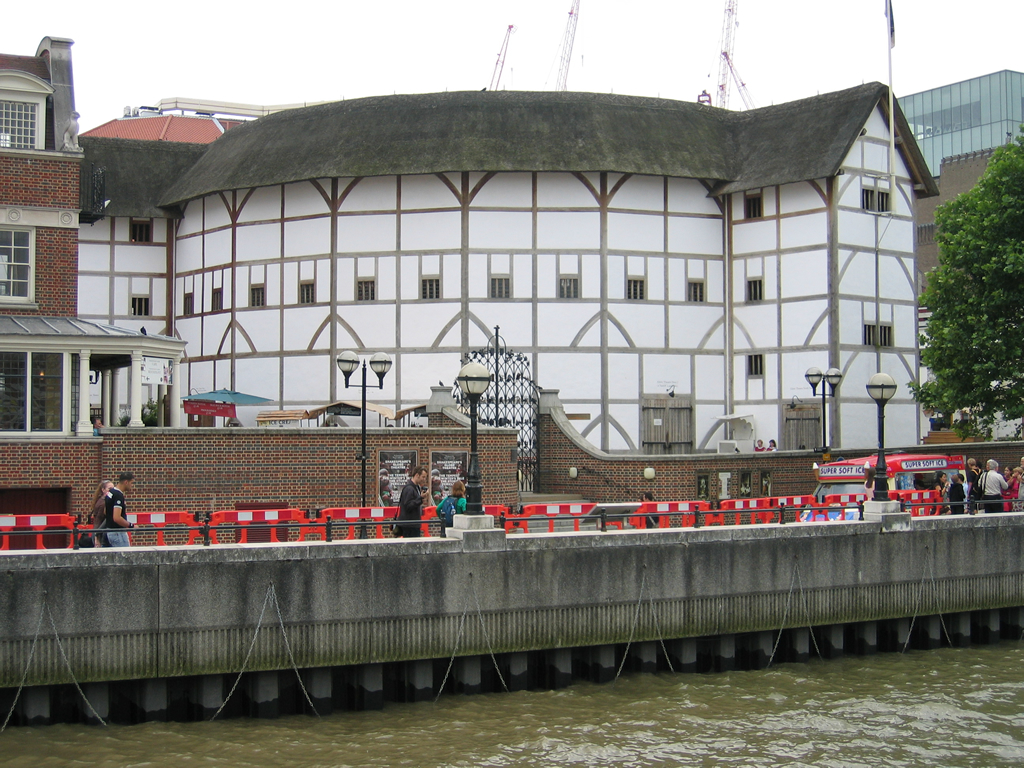
For centuries, people have used the theatre to re-tell events and stories. Theatre combines many of the other artistic disciplines (art, music, dance, sculpture, etc) into a large work that re-creates a fiction or non-fiction story. Most traditional theatre will use a live actor or actress to portray a character and act out the events of the story. The earliest theatre is classified as being either a Comedy or a Tragedy.
A “comedy” is a story that uses humour as a main element and will often have very light and silly stories. A “tragedy” is more complicated and will combine elements of “drama” with serious action and heavy elements. In the English language, it is difficult to find a more famous playwright (someone that writes plays for the theatre as a profession) than William Shakespeare. A famous comedy from Shakespeare would be “A Midsummer Night’s Dream” and a famous tragedy would be “Hamlet” or “King Lear.”
Theatre is not limit to reciting lines of dialogue on a stage. Other types of theatre include: ballet, musical theatre and operas. These types of theatre will include much more music than a typical play, and will often have large organized dances as well. Many people consider theatre to be a way of preserving a particular culture by telling a famous story to a large group of people. The idea is that these people will then continue to tell the story they saw to other members of the community and so the story lives in an oral tradition. Have you ever been to a live theatrical production – ballet, opera, play, musical?
Frozen fun
In the winter months, many people like to visit the frozen places in their country. There are many fun activities but one of the most common is skiing or snowboarding. These sports take advantage of the snow covered mountains and forests by gliding down at high speeds. Some skiers even organize a competitive race where the first person to the bottom or the mountain or cliff is the winner. Snowboarders, on the other hand, like to use the snow as a place to perform interesting “tricks” while being launched through the air.
Gliding down a mountain is not the only way people like to use the snow: some people like to travel in a sled that is pulled with dogs. This type of travel is usually for hunting and fishing in very hard-to-reach areas. Sometimes the dogsled is the only way to find these places. Even the frozen lakes and ponds are useful in a winter freeze. Many people like to bring bladed shoes called ice skates in order to spin around the top of the frozen water. While some people prefer the physical activities, others use the ice as a chance to show off artistic talent with ice sculpting. People can use the ice in the same way a sculptor will use marble and bronze. They break away the parts of the ice they don’t want, and polish the result to give a fantastic clear sculpture. Do you have a favorite ice activity?
Temperature
When we think of temperature, most of us automatically think of weather. The sun and the weather are the main controls of temperature on Earth. But we also have many ways to change the temperature, for example, we use air-conditioning in our homes and offices and, in the winter, we may use heaters or wood burners to heat our houses.
Temperature changes how we feel, for example on warm days when the sun is beaming from the sky. We smile, we wear bright clothes and ambling for the sake of ambling seems like a good idea. During hot weather we often feel lazy, everything is too much trouble and we prefer to sit on the beach or in the shade with a good book.
In the darkest of winter when the weather is bad and it is cold outside, we prefer to wrap up on the sofa with the television remote control and a bowl of soup. We might go outside if it is snowing, but it is not long before we are hopping back in and curling up in front of the heater once again.
But there are also days in the middle. Those clear bright days where the temperature hardly breaks freezing, but being in the mountains with a warm jacket and good company makes us feel alive. Take a minute to think how much temperature affects the activities that you do.
Pandemic
A “pandemic” (pan = all, demos = people) is a term used for the large spread of a disease. The pandemics will usually spread across multiple continents and effect large populations. The large spread of disease has happened many times throughout history, and today we have organizations built to combat the spread of dangerous diseases. The World Health Organization (or WHO) is responsible for making sure the disease can be contained when it becomes infectious (this means when the disease can spread easily from one person to another.)
The WHO and Center for Disease Control (CDC) will work on creating a vaccine to stop the virus or disease from spreading. However, the term “pandemic” often will cause alarm in many people. The news and media will use the term “pandemic” to draw attention and incite panic in viewers. There are many other diseases that do not spread (like cancer) or constantly reoccur (like the seasonal flu) – and these diseases can be just as dangerous as any type of virus. It is always important to remember to keep good hygiene habits. It is especially good to remember this if you regularly come in to contact with many other people on a daily basis.
Most businesses and offices will now post suggestions in restrooms and offer drying hand soap in order to keep the risk of a viral outbreak to a minimum.
In our air-conditioned offices it is too easy for illness to spread. Some of the responsibility is on us to ensure that we maintain basic hygiene in our work-stations and overseeing the cleaning of our work-stations to ensure that things like mouse’s and telephone handsets get bleached at least once a week. By the time you feel ill, you may have had that virus for 2 weeks, so there is a high chance it has already spread.
Although you feel better, it can be interesting to see how the virus continues to spread among your work colleagues. Do you have good cleaning habits?
Employability
What is the most sought after skill when employers are looking for employees? Obviously you need to have the technical skills and qualifications to be able to carry out the job in the first place. You can’t go and work as an aeronautical engineer if you have a degree in dentistry! But apart from the necessary technical skills, what is it that employers really want in an employee?
Communications skills are number one. The ability to listen and written/verbal communication skills are the most valued extras in an employee. For a company to run efficiently there needs to be fluid internal communication. If a company wants to be successful globally there needs to be fluid foreign language communication.
What if a company only runs operations in one country? How would foreign language skills benefit that company? Research has shown that learning foreign languages actually improves communication in your mother tongue; it strengthens your comprehension of grammar and makes you aware of culturally significant factors by being able to look in at your own language from an outsider point of view.
By learning a foreign language, you are improving your knowledge of your own language but you are also breaking down the barrier that might be stopping your company from running operations in foreign countries. If there is a demand for your product or service in your country, then surely there will be a similar demand for it in another country.
There are other skills that can make you more attractive to an employer, for example showing a history of team work. Everybody likes a team player but not many people can be true team players and there are certain industries where mixed signal are sent. We want you to be a team player but at the same time we want you to be an individual worker. As workers, we need to find the place in the middle, looking towards the team but also looking after ourselves.
Banana custard pie
Vanilla Custard:
- 500ml whole milk
- 1/4 vanilla custard
- 5 egg yolks
- 200g caster sugar
- 40g plain flour
- 40g cornflour
- 3 large bananas, ripe
- 200g dulce de leche
- 400ml whipping cream
- A little of ground cinnamon
For the pastry:
Put the flour and salt in a large bowl and add the cubes of butter. Using your fingertips, rub the butter into the flour until you reach a course breadcrumb-like consistency. You need to work quickly to stop the butter becoming greasy.
With a knife, stir in a little of the cold water, enough to bind the dough together. Wrap the dough in cling film and place in the fridge for 10-15 minutes.
Pre-heat your oven to 170 C/340 F. Roll out the dough (big enough to cover your pie dish) and place over the dish. Trim the edges and crimp or decorate with a fork. Put greaseproof paper over and fill with baking beans or rice. Bake for 20 minutes. Remove the beans and greaseproof paper and bake for another 15-20 minutes until the pastry is lightly golden.
For the custard:
Put 400ml of the milk and vanilla extract into a medium pan. Place over a medium heat and bring to the boil. Remove from the heat and leave to cool down slightly. In a separate bowl, mix the egg yolks, sugar, flour, cornflour and remaining milk together to form a smooth paste. Pour a little of the hot milk mix into the egg mix and stir well to combine. Pour the remaining milk mix in and stir until all combined. Pour everything back into the saucepan and place over a low heat until it starts to boil. Whisk continuously with a balloon whisk until thick, this should take about 5 minutes. Pour the custard into a bowl, lay cling film directly on top to stop a skin forming and leave to cool completely.
To assemble:
Once the pie base has cooled, spread the dulce de leche over the base of the pie. Slice the bananas and arrange on top of the caramel. Pour the custard over the bananas. Cover and leave in the fridge for a couple of hours until the custard has set completely. When you are ready to serve, whip the cream until soft peak stage. Spread over the pie and decorate with more slices of banana. Sprinkle with cinnamon. Enjoy!